
Joe Biden and congressional Democrats have a plan for American energy: make it harder to produce and more expensive to purchase. Since Biden took office, his administration and Congressional Democrats have taken over 150 actions deliberately designed to make it harder to produce energy here in America. A list of those actions appears below. A PDF of the list is available to download here.
On January 20, 2021,
- Besides canceling the Keystone XL pipeline,
- President Biden restricted domestic production by issuing a moratorium on all oil and natural gas leasing activities in the Arctic National Wildlife Refuge.
- He also restored and expanded the use of the government-created social cost of carbon metric to artificially increase the regulatory costs of energy production of fossil fuels when performing analyses, as well as artificially increase the so-called “benefits” of decreasing production.
- Biden continued to revoke Trump administration executive orders, including those related to the Waters of the United States rule and the Antiquities Act. The Trump-era actions decreased regulations on Federal land and expanded the ability to produce energy domestically.
On January 27, 2021,
- Biden issued an executive order announcing a moratorium on new oil and gas leases on public lands
- or in offshore waters
- and reconsideration of Federal oil and gas permitting and leasing practices.
- He directed his Interior Department to conduct a review of permitting and leasing policies.
- Also, by Executive Order, Biden directed agencies to eliminate federal fossil fuel “subsidies” wherever possible, disadvantaging oil and natural gas compared to other industries that receive similar Federal tax treatments or other energy sources which receive direct subsidies.
- This Biden Executive Order attacked the energy industry by promoting “ending international financing of carbon-intensive fossil fuel-based energy while simultaneously advancing sustainable development and a green recovery.” In other words, the U.S. government would leverage its power to attack oil and gas producers while subsidizing favored industries.
- Biden’s EO pushed for an increase in enforcement of “environmental justice” violations and support for such efforts, which typically are advanced by radical environmental organizations and slip-and-fall lawyers hoping to cash in on the backs of energy consumers.
On February 2, 2021,
- The EPA hired Marianne Engelman-Lado, a prominent environmental justice proponent, to advance its radical Green New Deal social justice agenda at the EPA, a signal to industry that it plans to continue its attack on American energy.
On February 4, 2021,
- At the behest of the January 27th Climate Crisis EO, the DOJ withdrew several Trump-era enforcement documents which provided clarity and streamlined regulations to increase energy independence.
On February 19, 2021,
- Biden officially rejoined the Paris Climate Agreement, which is detrimental to Americans while propping up oil production in Russia and OPEC and increasing the dependence of Europe on Russian oil and natural gas. It also benefits China, who dominates the supply chain for critical minerals that are needed for wind turbines, solar panels, and electric vehicle batteries.
On February 23, 2021,
- Biden administration issued a Statement of Administration Policy in support of H.R. 803 which curtailed energy production on over 1.5 million acres of federal lands.
On March 11, 2021,
- The President signed ARPA, which included numerous provisions advancing Biden’s green priorities, such as a $50 million environmental slush fund directed towards “environmental justice” groups, including efforts advanced by Biden’s EO.
- ARPA also included $50 million in grant funding for Clean Air Act pollution-related activities aimed at advancing the green agenda at the expense of the fossil fuel industry.
On March 15, 2021,
- Biden’s Securities and Exchange Commission sought input regarding the possibility of a rule that would require hundreds of businesses to measure and disclose greenhouse gas emissions in a standardized way, hugely increasing the environmental costs of compliance and disincentivizing oil and gas production.
On April 15, 2021,
- The Federal Energy Regulatory Commission’s policy statement outlines — and effectively endorses — how the agency would consider market rules proposed by regional grid operators that seek to incorporate a state-determined carbon price in organized wholesale electricity markets. This amounts to a de facto endorsement of a carbon tax that would be paid by everyday Americans in their utility bills.
On April 16, 2021,
- At Biden’s Direction, Secretary of the Interior Deb Haaland revoked policies in Secretarial Order 3398 established by the Trump administration including rejecting “American Energy Independence” as a goal;
- rejecting an “America-First Offshore Energy Strategy;”
- rejecting “strengthening the Department of the Interior’s Energy Portfolio;”
- and rejecting establishing the “Executive Committee for Expedited Permitting.” These actions set the stage for the unprecedented slowdown in energy activity by the Interior Department, steward of 2.46 billion acres of federal mineral estate and all its energy and mineral resources.
On April 22, 2021,
- Biden issued the U.S. International Climate Finance Plan to funnel international financing toward green industries and away from oil and gas.
On April 27, 2021,
- The Biden administration issued a Statement of Administration Policy in support of S.J. Res. 14 which rescinded a Trump-era rule that would have cut regulations on American energy production.
On April 28, 2021,
- Biden’s EPA issued a Notice of Reconsideration that would propose to revoke a Trump-era action that revoked California’s waiver for California’s Advanced Clean Car Program (Light-Duty Vehicle Greenhouse Gas Emission Standards and Zero Emission Vehicle Requirements).
On May 5, 2021,
- This proposed Fish and Wildlife Service Rule revokes a Trump administration rule and expands the definition of “incidental take” under the Migratory Bird Treaty Act (MBTA). The rule would impact energy production on federal lands, increasing regulatory burdens.
On May 20, 2021,
- Biden issued an executive order on Climate-Related Financial Risk that would artificially increase regulatory burdens on the oil and gas industry by increasing the “risk” the federal government undertakes in doing business with them.
On May 28, 2021,
- Biden’s FY 2022 revenue proposals include nearly $150 billion in tax increases directly levied against the oil and gas energy producers.
On July 28, 2021,
- This Department of Energy determination increases regulatory burdens on commercial building codes, requiring green energy codes to disincentivize natural gas and other energy sources. DOE readily admits they ignored efforts private industry is making on their own and utilized the questionable “social costs of carbon” to overstate the public benefit.
- The Executive Order also kicked off the development of more stringent long-term fuel efficiency and emissions standards, a backdoor way to compel the electrification of vehicles.
On August 11, 2021,
- The White House released a letter from Jake Sullivan begging OPEC+ (OPEC plus Russia) to produce more oil.
On September 3, 2021,
- Biden’s Department of Transportation issued a proposed rule that would update the Corporate Average Fuel Economy Standards for Model Years 2024–2026 Passenger Cars and Light Trucks to increase fuel economy regulations on passenger cars and light vehicles. The modeling calculated “fuel savings” by multiplying fuel price with ‘avoided fuel costs’ to disincentivize gasoline by making it more costly to afford ICE cars and trucks.
On September 9, 2021,
- NASA and the FAA launched a partnership to reduce “fuel use and harmful emissions” by strong-arming industry to adopt elements of their green agenda.
- Department of Education’s Climate Adaptation Plan (CAP) includes efforts to incorporate the green agenda into as many guidance and policies as possible, effectively leveraging the department as an anti-fossil fuel propaganda tool.
On October 4, 2021,
- The FWS published its final rule revoking Trump-era actions which eased burdensome regulations on energy action.
On October 7, 2021,
- The Council on Environmental Quality revoked Trump administration NEPA reforms that reduced regulatory burdens by reinstating tangential environmental impacts of proposed projects.
- Biden announced plans to designate the Northeast Canyons and Seamounts Marine National Monument, a move counter to Trump’s reversal of a similar Obama-era proclamation. Trump aimed to allow energy exploration in the area to increase energy independence.
- The U.S. Department of Agriculture’s (USDA) CAP includes efforts to switch fuel away from oil and natural gas and subsidize more costly, less efficient fuel sources.
- As part of its CAP, EPA intends to incorporate Biden’s Green New Deal agenda throughout its rulemaking process.
On October 21, 2021,
- This report paints climate change, and therefore oil and gas producers, as a “risk to financial stability.” The report recommended the “climate disclosures” later set forth by the Biden administration.
On October 28, 2021,
- Rep. Rho Khanna interrogated oil CEOs about why they were increasing production as their ‘European Counterparts’ were lowering their own.
On October 29, 2021,
- The Bureau of Land Management announced the use of social costs of carbon in decision-making for approving permits for oil and gas drilling. This devalues the economic benefits of energy production on federal lands.
On October 30, 2021,
- The Department of Labor issued a final ESG Rule that would require fiduciaries to consider the economic effects of climate change and other so-called environmental, social and governance (ESG) factors when evaluating funds for retirement plans. The rule would strongly encourage fiduciaries to draw capital from domestic energy development in oil and natural gas to renewables.
On November 2, 2021,
- The Biden administration led a “Global Methane Pledge” to reduce global methane emissions by 30 percent by 2030. Neither Russia nor China signed the pledge, increasing the world’s reliance on these two countries for energy-related imports and disadvantaging the U.S. oil and natural gas industry, as well as large consumers of energy such as industrial manufacturing and agriculture.
On November 4, 2021,
- Biden committed to “ending fossil fuel financing abroad,” targeting the global fossil fuel industry, thereby disadvantaging them, which increases global oil and gas prices. Further, key countries, like China, did not sign the pledge, so the pledge harms signatories while empowering adversaries. This is another case of unilateral economic and energy disarmament.
On November 5, 2021,
- Biden Energy Sec. Granholm laughed at questions about boosting oil production.
On November 12, 2021,
- New Source Review: These broad, overreaching regulations target new, modified, and reconstructed oil and natural gas sources, and would require states to reduce methane emissions from hundreds of thousands of existing sources nationwide for the first time. The Proposed Rule follows the President’s Day 1 Climate EO and the passage of the S.J. Res. 14, a CRA rescinding Trump-era energy independence policies. The proposed rule spends several paragraphs dismissing the effects of the rule on the oil and gas industry and misleadingly applies its effects on the industry to only the “140,000” (an underestimate of the over 220,000) employees directly involved in extraction. This means it ignores the nearly 10 million other people working in the oil and gas industry and the impacts to the oil and gas economy more broadly.
On November 15, 2021,
- Biden’s Interior Department announced plans to withdraw Chaco Canyon from oil and gas drilling for 20 years.
- The Biden administration nominated Saule Omarova to serve as Comptroller of the Currency. Omarova’s past comments speak for themselves: “A lot of the smaller players in [the fossil fuel] industry are going to, probably, go bankrupt in short order—at least, we want them to go bankrupt if we want to tackle climate change,” she said.
On November 17, 2021,
- HUD’s CAP leverages the Community Development Block Grant to advance ‘environmental justice’ efforts.
- Biden calls on FTC to probe “anti-consumer behavior” by energy companies.
On November 19, 2021,
- Biden endorsed several oil and gas provisions in the Build Back Better Bill, including a new tax on methane, of up to $1500 per ton;
- prohibiting energy production in the Arctic and offshore leasing on the Outer Continental Shelf (OCS) in the Atlantic, Pacific and Eastern Gulf of Mexico Planning Areas;
- increased fees and royalties for onshore and offshore oil and gas production;
- a new $8 billion tax on companies that produce, process, transmit or store oil and natural gas starting in 2023;
- limited ability of energy producers to claim tax credits for upfront and royalty payments in foreign countries – amounting to a tax increase on domestic energy producers;
- and a 16.4 cent tax on each barrel on crude oil – up from 9.7 cents – a $13 billion tax increase on oil production.
On November 26, 2021,
- Biden’s Interior Department issued its report on the Federal Oil and Gas Leasing Program includes recommendations to raise rents and royalty rates on oil and gas producers, even though federal energy production already lags that from state and private lands.
On December 14, 2021,
- The EPA launched a revamp of its Office of Civil Rights to add so-called environmental justice enforcement as a key pillar in enforcing Title VI civil rights complaints. The agency’s announcements mean social justice claims against, among others, the oil and gas industry will increase costs and penalties that have specious connections to its environmental mission.
On December 21, 2021,
- Biden’s Department of Transportation issued its Final Rule revoking Trump-era actions which prevented California from arbitrarily becoming the national standard for fuel emissions. The rule set the stage for the administration to reinstate California’s waiver, and, since automakers do not make different cars for different states, the rule would allow California’s radical environmental policies to reach nationwide, forcing people nationwide to pay for vehicles meeting California’s standards.
On December 30, 2021,
- Biden’s EPA issued its Final Rule for increased “fuel efficiency standards.” According to the Final Rule, “These standards are the strongest vehicle emissions standards ever established for the light-duty vehicle sector. The rule, in responding to comments, claims “energy security benefits to the U.S. from decreased exposure to volatile world oil prices” suggesting that decreasing oil and gas production in the U.S. will result in less exposure to the international oil and gas market because they will be disincentivizing vehicles that use oil and gas. The rule also claims that it will result in “fuel savings” entirely due to less use of fuel.
On January 13, 2022,
- DOE announced an initiative to hire 1,000 staffers for their Clean Energy Corps, a group of staff dedicated to Biden’s promise to destroy fossil fuels.
On January 14, 2022,
- Biden nominated Sarah Raskin to serve as Vice Chair of the Federal Reserve. She was deemed so radical on her belief that fed policy should be dictated by environmental policy that she gained a bipartisan opposition and had to withdraw her nomination.
On February 9, 2022,
- A proposed rule on Coal and Oil Power Plant Mercury Standards would revoke a Trump-era rule that cut red tape on coal and oil-fired power generators and followed the Supreme Court’s rejection of an earlier Obama administration rule. This would effectively reinstate Obama-era regulations which sought to increase regulations on coal and oil-fired power plants.
On February 18, 2022,
- FERC updated a 23-year-old policy for assessing proposed natural gas pipelines, adding new considerations for landowners, environmental justice communities, and other factors. In a separate but related decision, the commission also laid out a framework for evaluating projects’ greenhouse gas emissions.
On February 21, 2022,
- The Biden administration paused working all new oil and gas leases on Federal land in response to a judge blocking their arbitrary use of social costs of carbon, unnecessarily hurting domestic oil and gas production.
On February 28, 2022,
- The Ozone Transport Proposed Rule would expand federal emissions regulations over a wider geographic region and over a wider array of sources, including the gathering, boosting and transmission segments of the oil and gas sector. Integral energy production states like Nevada, Utah and Wyoming would be required to jump through more red tape.
On March 1, 2022,
- Refusal To Appeal adverse leasing court decision: The Biden administration refused to appeal an unprecedented decision to vacate an offshore oil and gas leasing sale held in November 2021. This means under Biden, the U.S. has not held one successful lease sale offshore.
- Certification of New Interstate Natural Gas Facilities: This policy statement increases climate change regulations for new interstate natural gas facilities.
On March 8, 2022,
- President Biden tried to deflect from his anti-energy record saying there are 9,000 issued leases on federal lands without current drilling. This is true and it’s also true that this is the lowest percentage of unused leases in at least 20 years — in other words, lease utilization is at a multi-decade high.
On March 9, 2022,
- EPA Reinstates California Emissions Waiver: The EPA reinstated California’s emissions waivers, allowing the state to set its own greenhouse gas emissions standards, standards which will likely be adopted nationwide and are sure to make vehicles more expensive. The practical effect is that California is setting policy for people in all the other states despite their terrible record of energy inflation.
On March 11, 2022,
- Natural Gas Infrastructure Project Reviews: This interim regulation will increase the regulatory burden on natural gas facilities by, among other things, requiring climate change impacts be considered when determining whether a project is in the public interest.
On March 16, 2022,
- Doubling Down on Social Costs of Carbon: The 5th Circuit Court of Appeals reinstated the dubious social costs of carbon metric which had been rejected by another court by issuing a stay on the lower court’s ruling. The ruling itself cast doubt on the lower court’s ruling. The Biden administration argued against the lower court’s ruling to reinstate the SCC metric. The Social Cost of Carbon is a “made-up” number designed to make any hydrocarbon project in the U.S. more expensive. It is an “end-around” the politically difficult carbon tax most of the Green Establishment supports.
March 21, 2022,
- SEC Proposed Rule on Mandatory Climate Disclosures: The SEC’s proposed rule would require public companies to disclose greenhouse gas emissions
- and their exposure to climate change. This rule would massively increase so-called environmental costs of compliance and, in tandem with so-called social costs of carbon, artificially disincentivizing oil and gas production.
March 28, 2022,
- Army Corps of Engineers’ Review of its Nationwide Permit 12 for Oil or Natural Gas Pipeline Activities: The corps announced it would be reviewing NWP 12 late last month as part of Biden’s day-1 executive order on climate change mandating all federal agencies ensure their work is in line with its climate and environmental objectives. The review is part of a long list of actions that confuse and delay permitting for critical infrastructure. This makes pipelines harder to build and improve in the U.S.
March 30, 2022
- Environmental Justice Advisory Council Meeting: The WHEJAC will hold its first two meetings to, among other things, advance Green New Deal priorities including “environmental justice and pollution reduction, energy, climate change mitigation and resiliency, environmental health, and racial inequity.”
March 31, 2022
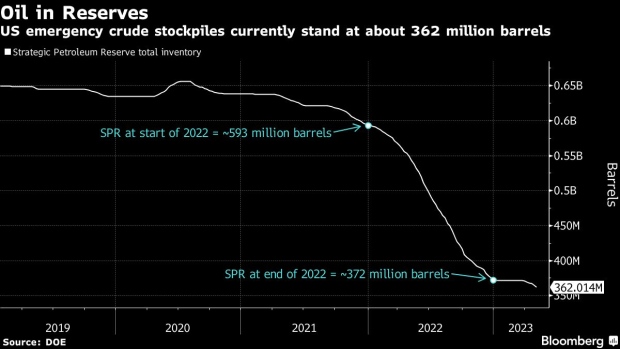
- President Biden announces that he will sell one million barrels of oil a day from the Strategic Petroleum Reserve for the next six months.
- Biden wants to penalize oil companies with unused leases: President Biden called on Congress to pass legislation enacting “use it or lose it” fines on wells that oil companies have leased from the federal government but have not used in years and “on acres of public lands that they are hoarding without producing… Companies that are producing from their leased acres and existing wells will not face higher fees.” The extra fees on federally leased land are on top of rents that the oil companies pay to hold the leases, “bonus bids” paid by the winning bidder at lease sales and the fact that 66 percent of federal leases are currently producing oil. This is simply a deflection from the Biden administration’s war on affordable North American energy supplies.
- Biden’s Budget Contains More Anti-Oil Proposals: President Biden’s budget for the fiscal year 2023 is $5.8 trillion. It contains large amounts of climate spending and anti-oil and gas policies that did not get passed in his Build Back Better bill last year.
- Biden is seeking $50 billion for programs to address climate change,
- including $18 billion to build the U.S. government’s resilience to climate change,
- $3.3 billion in funding for clean energy projects and at least $20 million for a new “Civilian Climate Corps.”
- To help pay for the increased climate spending, Biden is asking Congress to eliminate tax provisions that aid domestic energy production,
- including tax deductions for intangible drilling costs and low-production wells that enable small producers in the United States to produce oil. Removing these deductions will lower domestic output while further raising already high oil and gasoline prices.
April 5, 2022,
- Biden’s Department of Energy Office of Fossil Energy and Carbon Management releases a “Strategic Vision” with no discussion of increasing domestic fossil energy production: The Department of Energy is statutorily required to carry out research and development with “the goal of improving the efficiency, effectiveness, and environmental performance of fossil energy production, upgrading, conversion, and consumption.” (42 USC 16291) However, the Biden Department of Energy has no interest in increasing fossil energy production. Despite the requirements of the law, the Strategic Vision is only about “Advancing Justice, Labor, and Engagement; Advancing Carbon Management Approaches toward Deep Decarbonization; and Advancing Technologies that Lead to Sustainable Energy Resources.”
April 12, 2022,
- Biden extended the availability of higher biofuels-blended gasoline during the summer to lower gasoline costs and to reduce reliance on foreign energy sources. The measure will allow Americans to buy E15, a gasoline blend that contains 15 percent ethanol from June 1 to September 15. Oil refiners are required to blend some ethanol into gasoline under a pair of laws, passed in 2005 and 2007, known as the Renewable Fuels Program, intended to lower the use of oil and greenhouse gas emissions and reduce dependency on foreign oil by mandating increased levels of ethanol in the nation’s fuel mix every year. However, since the passage of the 2007 law, the mandate has been met with criticism that it has contributed to increased fuel prices and has done little to lower greenhouse gas emissions. With looming food shortages already acknowledged by President Biden, turning his back on domestic energy production while dedicating even more food to make energy inefficiently is not wise.
April 15, 2022,
- Biden announced 144,000 acres of the federal mineral estate opened for oil and gas leasing — just 0.00589 percent of the 2.46 billion acres the American people own. White House Press Secretary Jen Psaki said, “Today’s action…was the result of a court injunction that we continue to appeal, and it’s not in line with the president’s policy, which is to ban additional leasing.”
- The administration announced it would resume leasing, but with a royalty rate almost 50 percent higher.
- Withdrawal of M-37046 and
- reinstatement of M37039: “The Bureau of Land Management’s Authority to Address Impacts of its Land Use Authorizations Through Mitigation” The Interior Department reversed a Trump administration decision which limited the scope of “compensatory mitigation” the Department could force upon projects on federal land as a condition of receiving a permit, which will hit energy and mining projects especially hard. Under the new guidance, opponents in the federal government could require mitigation located far from the project with little relevance, effectively giving bureaucrats a blank check to request whatever they wish of a permit seeker with little controls. This decision was made less than a week after the DOI Inspector General reported that there were no controls or apparent records justifying previous versions of this program, and warned they may have to review the overall program again. This is a “3rd world” approach giving government officials the latitude to effectively deny a project by assessing “compensatory mitigation” so expensive as to make it uneconomic, or to fund their pet projects by extorting additional funds from a permit-seeker.
April 19, 2022,
- Biden Restores Climate to NEPA: The Biden administration completed reforms on how agencies implement the National Environmental Policy Act, effectively undoing one of the Trump administration’s most important environmental regulatory rollbacks. This opens the door for officials to cook up whatever justification they desire to impede energy development under the guise of NEPA.
April 20, 2022,
- White House Climate Advisor Gina McCarthy states on MSNBC that “President Biden remains absolutely committed to not moving forward with additional drilling on public lands.”
April 21, 2022,
- U.S. Climate Envoy John Kerry said the world’s reliance on natural gas should be limited to a decade. He said, “We have to put the industry on notice: You’ve got six years, eight years, no more than 10 years or so, within which you’ve got to come up with a means by which you’re going to capture, and if you’re not capturing, then we have to deploy alternative sources of energy.” Repeated statements like this from administration officials tell investors not to sponsor energy investments in the U.S., since it implies the use of those energy sources will be limited by the government.
April 25, 2022,
- Biden reverses Trump’s Alaska oil plan: The Biden administration released a management plan for the National Petroleum Reserve Alaska, an Indiana-sized area reserved for oil and gas leasing. The final decision reverses a Trump-era plan that had opened most of the reserve to oil and gas leasing and withdraws some of the most prospective oil and gas areas from consideration.
April 28, 2022,
- The Biden administration admitted to using faulty modeling which overestimated wildlife effects, delaying permitting on existing leases.
May 18, 2022,
- The Biden administration announced they were canceling a lease sale of over one million acres in the Cook Inlet in Alaska.
- At the same time, the Biden administration announced they were canceling a lease sale in the Gulf of Mexico.
May 19, 2022,
- HR. 7688 is named the “Consumer Fuel Price Gouging Prevention Act,” and it would give the President vast powers to set price controls by executive fiat. If passed, this legislation will cause even more harm to American energy consumers. Price controls don’t work, and our experience during the gas lines of the 1970s should remind us that price controls will lead to shortages
- S.4214 is a similar “price gouging” bill taken up in the Senate.
June 2, 2022,
- The Biden administration settled with environmental litigants to do what the Biden administration wanted to do and more thoroughly analyze the climate impacts of oil and gas leasing on 4 million acres of federal lands. This provides more delay, potential litigation about sufficiency, and more uncertainty about investment.
- Biden’s EPA announced they were allowing states greater power to stop roads, dams, shopping malls, housing developments, wineries, breweries, pipelines, coal terminals, and other projects using Section 401 of the Clean Water Act.
June 7, 2022,
- Biden’s EPA deals a death blow to Pebble Mine in Alaska. Citing its authority under the 1972 Clean Water Act, EPA proposed a legal determination that would ban the disposal of mining waste rock in the Bristol Bay watershed. Pebble is one of the world’s largest copper deposits –essential for electrification—and holds enormous quantities of additional minerals, including strategic ones.
June 8, 2022,
- Biden reduces fees on renewables while raising them on oil and gas. President Biden’s Interior Department announced it will reduce the fees on renewable projects on federal lands after announcing recently that royalty rates and rents would increase as much as 50% for oil and gas projects on federal lands.
June 28, 2022,
- President Biden considers new regulations that would hamper the largest oil-producing area in the world. His latest consideration is EPA implementing new requirements that would curb drilling across parts of the Permian Basin—the world’s biggest oil field that straddles Texas and New Mexico.
July 6, 2022,
- President Biden releases his draft offshore lease plan. The plan includes an option with zero lease sales. There is the potential for ten potential new leases in the Gulf of Mexico and one in the Cook Inlet off the southern coast of Alaska. There are no new leases in federal waters off the Atlantic and Pacific coasts. Biden’s plan is in sharp contrast to President Trump’s proposed offshore lease plan that had 47 new offshore drilling leases, including in the Atlantic and Pacific oceans. President Trump had proposed a vast expansion of drilling sales to cover more than 90 percent of coastal waters, including areas off California and new zones in the Atlantic and Arctic. The earliest Biden’s offshore lease program could be finalized is likely late fall.
July 7, 2022,
- The Biden administration proposes a strict appliance standard rule for furnaces, the goal of which is to increase the upfront cost of using natural gas furnaces so great that people will switch to electric heating.
July 14, 2022,
- Biden sells oil to China from the SPR. Biden has sold more than five million barrels of oil from the SPR to European and Asian nations instead of U.S. refiners, compromising U.S. energy security. Biden’s Energy Department in April announced the sale of 950,000 barrels from SPR to Unipec, the trading arm of the China Petrochemical Corporation, which is wholly owned by the Chinese government. China purchased that oil from U.S. emergency reserves to bolster its own stockpile. China has been buying large amounts of oil for its reserves since the early COVID lockdowns when prices were low due to demand destruction.
July 15, 2022,
- Biden’s Federal Highway Administration, without authority to do so, proposed requiring all states to track and reduce on-road vehicle greenhouse gas emissions.
August 16, 2022,
- President Biden signs the Inflation Reduction Act (IRA), which includes new taxes on natural gas extraction and methane leaks, and
- Superfund taxes on crude oil and its related products, and
- An extension of biofuel tax credits and a new tax credit for sustainable aviation fuel. These biofuel tax credits will encourage existing petroleum refining capacity to convert to biofuels, making it harder for Americans to get the petroleum fuel products they need for transportation and home heating. These incentives will make the United States import more petroleum products from countries with additional capacity such as China and the Middle East, while committing more agricultural products to fuel, rather than food.
- IRA: The law also encourages states to adopt California’s plan to phase out gas-powered vehicles by 2035.
August 17, 2022,
- A federal judge reinstated a moratorium on coal leasing from federal lands that had been implemented during the Obama administration and was lifted under President Donald Trump. The ruling from U.S. District Judge Brian Morris requires government officials to conduct a new environmental review prior to resuming coal sales from federal lands. According to the judge, the government’s previous review of the program had not adequately considered the impacts of climate change from coal’s greenhouse gas emissions, among other effects.
August 18, 2022
- Secretary of Energy Jennifer Granholm sent a letter to refiners threatening “to deploy emergency actions” against the industry if they continue to export refined products or otherwise fail to build refined product inventories. This ignores the record of increasing exports of petroleum coinciding with rising production in the U.S.
August 22, 2022,
- U.S. Appeals Court reinstates Biden’s ban on oil and gas leasing
September 6, 2022
- The Biden administration reached an agreement with environmental groups to and halt drilling permits on over 58,000 acres of land in a sue-and-settle case.
September 12, 2022,
- EPA announced they rejected Cheniere Energy’s LNG appeal to exempt two turbines at LNG export terminals from a hazardous pollution rule despite the needs of the Europeans and others for LNG and Biden’s promises to help allies with supplies.
September 19, 2022
- The Department of Energy announces the sale of an additional 10 million barrels of oil from the SPR.
September 20, 2022,
- The Biden administration is expected to soon finalize a rule banning oil and gas leasing near Chaco Culture National Historical Park opposition from local Indigenous leaders, who say the administration’s rule would prevent them from collecting royalties on their land.
September 30, 2022,
- Secretary of Energy Jennifer Granholm and senior White House officials met with U.S. refiners. The Biden administration officials threatened the refiners with an export ban.
October 5, 2022,
- The Biden administration is reportedly working to wind down sanctions against Venezuela’s authoritarian government in exchange for oil production. This ignores that Venezuelan crude oil is much more carbon intensive than the domestic oil the Biden Administration is restricting, or Canadian oil which would have been transported via the Keystone XL pipeline.
October 7, 2022,
- The Securities and Exchange Commission announced that was reopening the comment period on the ESG rule because a “technological error” resulted in the deletion of some public comments. But the SEC only gave people 14 days to figure out if their comment was deleted and to submit a comment again.
October 2, 2022,
- Biden administration officials lobbied the Saudis and other members of OPEC+ to hold off reducing oil output until after the mid-term elections.
October 6, 2022,
- The Department of the Interior moves forward with some leasing but notes that they are “mandated” by the Inflation Reduction Act. In other words, DOI is trying not to lease unless mandated by an act of Congress. This ignores that current law requires them to lease periodically, which they are honoring in the breach.
November 2, 2023
- President Biden threatens oil companies with a windfall profits tax—again. “Their profits are a windfall of war,” Mr. Biden said, referring to the Russian invasion of Ukraine as the reason for high prices for oil and gasoline. Biden could easily increase domestic oil production by changing his anti-oil and gas policies that began on his first day in office.
November 9, 2022
- California proposes banning new diesel trucks by 2040. The California Air Resources Board (CARB) proposed a regulation that would require manufacturers to sell only “zero-emission” medium and heavy-duty vehicles in the state by 2040.
November 16, 2022
- U.S. supports the phase out of fossil at COP27.
November 17, 2022
- Biden releases more stringent requirements to EPA’s proposed methane rule at COP27. At the Conference of the Parties (COP27) in Egypt, President Biden’s Environmental Protection Agency (EPA) released the text of a supplemental proposed rule regulating methane emissions from the oil and natural gas industries that is more stringent than the original proposed rule in 2021. The 2021 rule targets emissions from existing oil and gas wells nationwide, rather than focusing only on new wells as previous EPA regulations have done. The new rule released at COP27, however, includes all drilling sites, even smaller wells that emit less than 3 tons of methane per year. Small wells currently are subject to an initial inspection but are rarely checked again for leaks. The new proposal also requires operators to respond to credible third-party reports of high-volume methane leaks. These more stringent requirements result in a near doubling of the economic costs, which are estimated to produce a 13 percentage point increase in reduced emissions from 2005 levels by 2030. Increasing costs will increase bills for consumers at a time when natural gas prices are already expected to climb.
- Federal government grants lesser prairie chicken ESA protections.
November 29, 2022
- EPA proposes exorbitant estimate for the social cost of carbon. President Biden’s Environmental Protection Agency (EPA) has proposed a new estimate for the social cost of carbon emissions that nearly quadruples the interim figure from the Obama Administration. The Biden administration has been using the Interagency Working Group’s interim value of $51 per metric ton of carbon dioxide, but EPA has proposed increasing it to $190.
December 7, 2022
- President Biden seeks fossil fuel-free federal buildings and bans natural gas.
December 8, 2022
- Bureau of Land Management piles its methane rule atop those set by EPA and Congress. BLM’s proposal would tighten limits on gas flaring on federal land and require energy companies to better detect methane leaks. The rule would impose monthly limits on flaring and charge fees for flaring that exceeds those limits.
December 23, 2022
- California’s regulators release their net zero plan. Californian regulators approved a plan to reduce the state’s carbon-dioxide emissions by 85 percent from 1990 levels by 2045, thereby reaching carbon neutrality, meaning the state will remove as many emissions from the atmosphere as it emits. It aims to do so in part by reducing fossil fuel demand.
January 10, 2023
- U.S. Interior Department names Elizabeth Klein to oversee offshore energy. She had initially been nominated by the White House to be the Deputy Interior Secretary under current chief Deb Haaland but was withdrawn from consideration in March 2021 amid opposition from moderate Alaska Republican Senator Lisa Murkowski, whose vote was needed for her confirmation, over concerns that Klein was opposed to oil development.
January 12, 2023
- EPA’s proposed rule regarding the Clean Water Act. The rule would expand the EPA and Army’s regulatory oversight to include traditionally navigable waters, territorial seas, interstate waters and, “upstream water resources that significantly affect those waters.” According to the two agencies, the revised rule is based on definitions that were in place before 2015. Farming groups, oil and gas producers, and real estate developers criticized the regulations as overbearing and burdensome to business, and, in particular, the ruling has the potential to affect natural gas infrastructure projects. It also would exert federal control over lands not owned by the federal government.
January 17, 2023
- Biden appointee proposes ban on gas stoves. Richard Trumka Jr., a Biden commissioner on the CSPC, told Bloomberg the ban is justified because gas stoves increase respiratory problems such as asthma among children, which is a myth promoted by environmentalists whose real agenda is not to reduce asthma but to ban natural gas. Gas stoves are used in about 35 percent of households nationwide, or about 40 million homes. The household figure is closer to 70 percent in some states, such as California and New Jersey. Other states where many residents use gas stoves include Nevada, Illinois, and New York.
January 31, 2023
- Biden administration blocks Minnesota’s Twin Metals Mine. The Biden administration blocked plans for a major copper, nickel and cobalt mine in northern Minnesota that could have helped supply minerals for his “net-zero” plans. The “Twin Metals Project” would have tapped the Duluth Complex within the Superior National Forest, where 95 percent of the nation’s nickel reserves and 88 percent of American cobalt reserves are found.
February 3, 2023
- Biden administration blocks the development of Alaska’s Pebble Mine. The U.S. Environmental Protection Agency blocked the development of the proposed Pebble mine–the most significant undeveloped copper and gold resource in the world–because of stated concerns about its environmental impact on Alaska’s aquatic ecosystem.
March 3, 2023
- Biden EPA approves Midwest governors’ request for year-round E15 sales. The Biden administration is recommending for approval a rule that would allow expanded sales of gasoline with a higher ethanol blend (15 percent ethanol), based on a request from governors in Midwest states.
March 9, 2023
- Biden administration attacks oil and gas in FY24 budget proposal.
March 10, 2023
- Biden’s offshore oil and gas lease plan delayed by 18 months. President Biden’s oil and gas offshore lease plan is late and will be even later as the Interior Department argues it needs until December to finalize the plan. It told a court it needs the rest of the year to complete an analysis on the delayed five-year program, which will replace the expired 2017-2022 program.
March 14, 2023
- Biden withdraws more areas of Alaska from oil exploration. The Biden administration announced major restrictions on offshore oil leasing in the Arctic Ocean and across Alaska’s North Slope supposedly to temper criticism from environmentalists over a pending decision on an oil drilling project in Alaska’s National Petroleum Reserve known as Willow and to form a “firewall” to limit future oil leases in the region. The Interior Department said it would issue new rules to block oil and gas leases on more than 55 percent of the 23 million acres that form the National Petroleum Reserve-Alaska and bar drilling in nearly 3 million acres of the Beaufort Sea — closing it off from oil exploration. The restricted area of over 16 million acres is about the size of West Virginia. The Willow project, if approved, would take place inside the petroleum reserve, which is located about 200 miles north of the Arctic Circle. The National Petroleum Reserve was established in 1912 as a backup source of oil for the federal government, originally for the Navy, as it was at one time referred to as the Naval Petroleum Reserve. Four sites in the country comprised the Naval Petroleum Reserve. The fourth site is on the North Slope of Alaska.
March 16, 2023
- Sen. Whitehouse introduces the “Clean Competition Act,” a carbon border tax. One consequence of this policy would be a negative impact on trade relations with the rest of the world. A carbon border tax will likely lead to retaliatory tariffs with our trading partners and a trade war as increasing tariffs are applied back and forth. A carbon tax like this one would impact heavy industry the most, as it would raise prices on things like steel, aluminum, and other industrial inputs. Because the costs of tariffs are ultimately passed along to consumers, starting a trade war with the world’s largest producer of aluminum (China produced nearly 60 percent of world aluminum in 2021) is a far cry from supporting the American working class. Additionally, carbon border taxes are ripe for political gamesmanship because determining the true carbon intensity of products from a variety of countries with different regulatory systems and variations in how emissions are tracked is no simple task. The sheer complexity of rating products would impose massive compliance costs throughout global supply chains, the last thing that is needed with runaway inflation and supply chains that are still recovering from the dual shocks of the pandemic and Russia’s invasion of Ukraine.
March 17, 2023
- EPA’s “Good Neighbor” rule increases the costs of electricity for consumers. The Biden administration announced tougher limits on emissions from power plants, factories and other industrial facilities that cross state boundaries. The new standards, announced by the Environmental Protection Agency (EPA), are intended to place tighter constraints on emissions from 23 Midwestern and Western states that have coal and natural gas power plants and facilities. This interstate regulation, known as the “good neighbor” rule, strengthens and expands an earlier interstate air pollution standard that was enacted during the Obama administration. In finalizing the rule, the EPA included three western states in the regulation — California, Nevada and Utah, due mainly to emissions from their industrial facilities. The new rule includes increased flexibilities, giving power plants emission allowances that will decrease over time. EPA was able to finalize the new standards as the U.S. Court of Appeals for the D.C. Circuit rejected a challenge to EPA’s proposed rule by coal companies and others this month. This rule is but one of many the Biden Administration is planning to roll out in pursuit of its quest to kill coal plants in the United States, as IER has detailed.
March 20, 2023
- Biden uses veto to preserve DOL Rule on ESG investing.
March 23, 2023
- U.S. Army Corp of Engineers slow walks Line 5 permitting process.
March 30, 2023
- California gasoline price gouging bill. California Democratic lawmakers approved a bill that could provide a penalty for supposed price gouging at the gasoline pump, allowing regulators the power to fine oil companies for supposedly profiting from gas price spikes similar to those that California experienced last summer. Democratic Governor Gavin Newsom called for a special legislative session to pass a new tax on oil company profits after the average price of gas in California hit a record high of $6.44 per gallon, according to AAA. State regulators, however, did not pass a new tax because they were worried about supply shortages and higher prices as oil companies pass the new tax onto consumers.
March 31, 2023
- New York State to ban gas stoves in new buildings. New York will become the first state to pass a law banning natural-gas and other fossil-fuel hookups in new buildings on its way to meeting President Biden’s net zero carbon goals and the state’s own targets for greenhouse-gas reduction. The New York State Climate Leadership and Community Protection Act, passed in 2019, calls for a reduction in economy-wide greenhouse-gas emissions of 40 percent by 2030 and 85 percent by 2050 from 1990 levels.
April 12, 2023
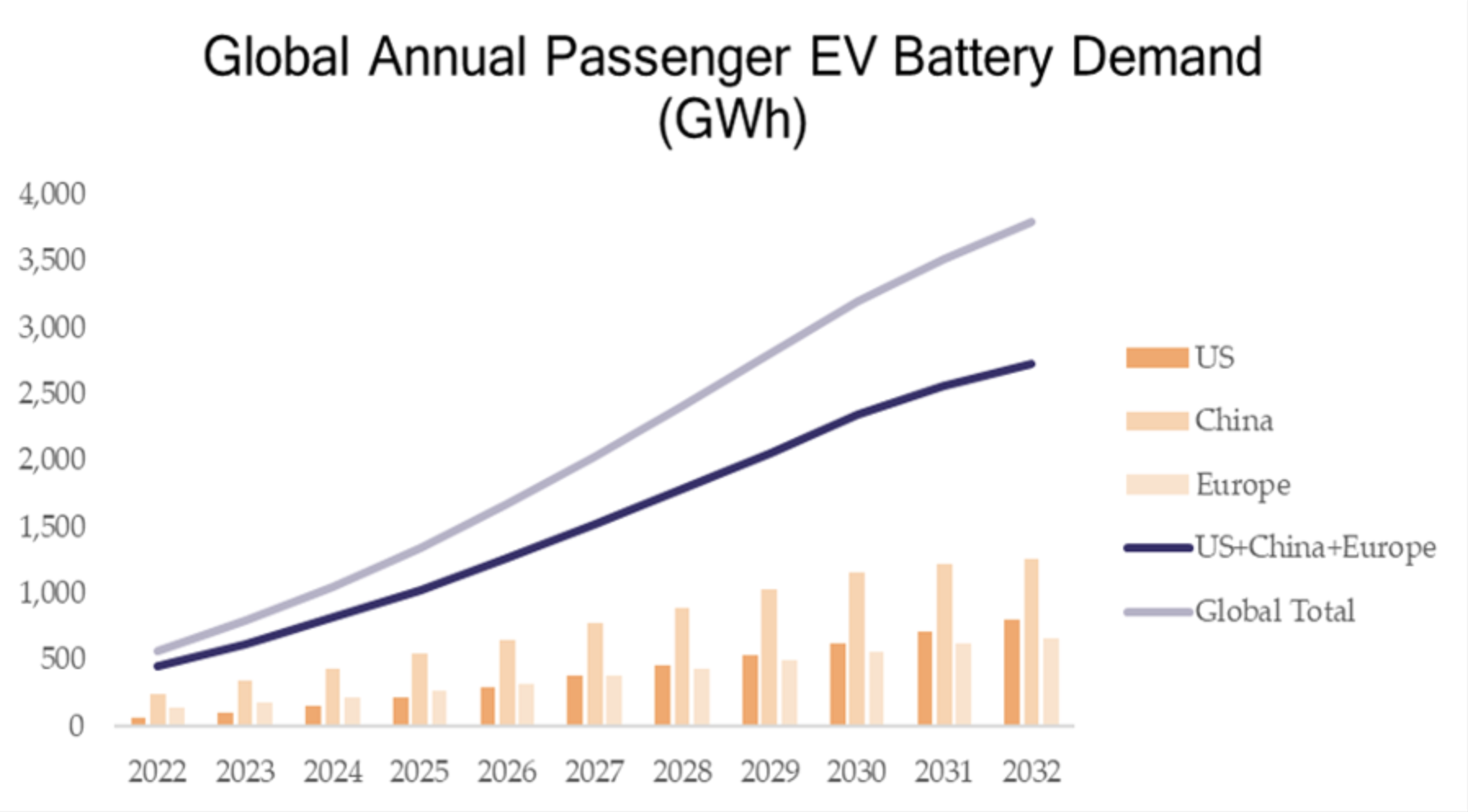
- Biden Releases New rules to force electric Vehicles on Americans. The New York Times notes that EPA is releasing rules that are intended to ensure that electric cars represent between 54 and 60 percent of all new cars sold in the United States by 2030 and 64 to 67 percent by 2032—in 9 years. That would exceed President Biden’s earlier goal announced in 2021 to have all-electric cars account for half of new car sales by 2030. The purpose of the new EPA regulations is to essentially regulate cars with combustible engines out of business by making the rules so stringent that car companies cannot comply, which is a de facto death knell. Today, less than six percent of cars are electric, despite tax credits of up to $7,500. The federal government is also providing tens of billions of subsidies to the battery producers and offering prime parking spaces to electric vehicles with charging stations at nearly every shopping center in America. This ruling would result in a complete transformation of the automotive industrial base and the automotive market, whether the American public likes it or not.